
A political movement rooted in democratic values, merit-based governance, and an unwavering commitment to every Pakistani — regardless of background, province, or status.
Mission Irtiqa-E-Pakistan (MIP) is a forward-thinking political movement committed to transforming Pakistan through democratic values, economic prosperity, and social justice. We emerged from the grassroots — listening to the people first, then building real solutions.
Our platform stands for accountability, transparency, and a commitment to every citizen regardless of their background, province, or economic status. We are building a political movement that prioritises merit, innovation, and inclusive growth above all else.
"True change comes not from the top down, but from listening to the people and building together — one community at a time."
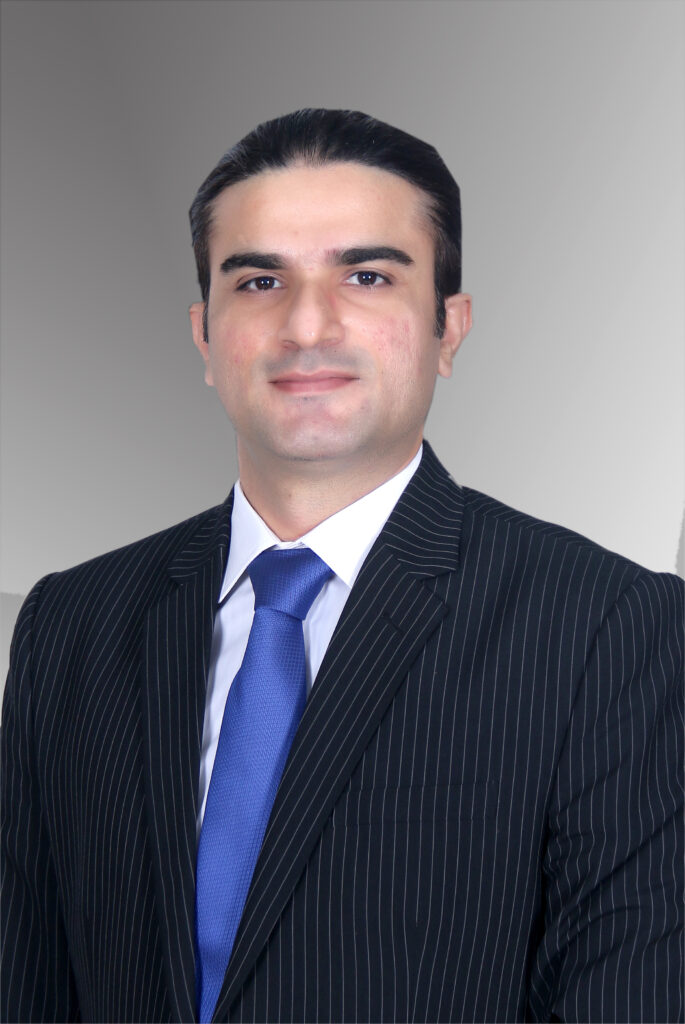
Abdul Qadir is the visionary founder of Mission Irtiqa-E-Pakistan. His leadership philosophy is rooted in the belief that Pakistan's greatest resource is its people — particularly its youth, women, and the millions who have never had a seat at the political table.
Driven by deep commitment to democratic principles and practical governance, Abdul Qadir founded MIP to bridge the gap between citizens and decision-makers. His approach emphasises transparency, accountability, and digital innovation as the cornerstones of a modern, prosperous Pakistan.
With dedicated professionals, community leaders, and grassroots volunteers, he is building a political platform that challenges the status quo with fresh ideas, not empty promises.
Our mission is to revolutionise Pakistan's political landscape by prioritising the human welfare of every citizen — regardless of background, province, or economic status.
Protecting Pakistan's natural resources through sustainable policies that balance economic growth with environmental protection for future generations.
Explore policiesEmbracing technology to improve governance, create new economic opportunities, and connect every corner of Pakistan to the global digital economy.
Explore policiesPakistan's young population is its greatest asset. We prioritise policies that create opportunities in education, employment, and leadership for every young Pakistani.
Explore policiesMIP focuses on practical solutions rather than traditional politics — merit-based governance, digital innovation, and inclusive economic growth for every Pakistani citizen.
Every decision, budget, and contract made publicly available. An independent anti-corruption commission with real enforcement power and complete financial transparency at all levels of government.
Promoting SMEs, attracting foreign investment, investing in tech innovation, supporting agriculture modernisation, and creating export-oriented industries that compete globally.
Universal access to quality education, focused on STEM, digital literacy, and vocational training. Double the education budget and hold institutions accountable for outcomes, not just enrolment numbers.
Equal representation in governance, access to credit and entrepreneurship programs, and strong legal frameworks protecting women's rights across all provinces of Pakistan.
A universal healthcare system reaching rural communities. Investing in hospitals, training healthcare workers, and using digital health technology to provide affordable care to every Pakistani family.
Judicial independence, swift case resolution, and police reform. A Pakistan where the law applies equally to the powerful and the powerless — where justice is a right, not a privilege.
Pakistan faces chronic fiscal deficits, mounting IMF debt, runaway inflation, and a tax base covering fewer than 2% of the population — leaving ordinary citizens to bear the burden.
MIP Solution: SME Drive + Tax Reform + Export-Led GrowthSystematic corruption at every level of government drains billions annually. Public funds disappear, contracts go to cronies, and accountability institutions are captured by the powerful.
MIP Solution: Independent Anti-Corruption Commission + Digital AuditPakistan has the world's second-highest number of out-of-school children. Quality of education in government schools is critically low, with outdated curricula and undertrained teachers.
MIP Solution: 10,000 New Schools + Digital Curriculum + Teacher TrainingOver 60% of Pakistan's population is under 30, yet youth unemployment and underemployment remain at crisis levels. Skills mismatch, lack of vocational training, and a stagnant job market fail millions.
MIP Solution: 500 Vocational Centres + Startup Hubs + Graduate Employment IncentivesMillions in rural Pakistan have no access to functioning healthcare. Public hospitals are understaffed and under-resourced. Preventable diseases kill thousands every year due to systemic neglect.
MIP Solution: Universal Health Card + 2,000 Rural Health Units + TelemedicinePakistan is among the world's most climate-vulnerable nations. The 2022 floods submerged one-third of the country. Water scarcity threatens agriculture, while deforestation continues unchecked.
MIP Solution: 2 Billion Trees + Renewable Energy + Climate Resilience FundOver 2 million cases backlogged in Pakistani courts. The poor wait years for justice while the wealthy buy their way out. Police reform remains a distant dream. The powerful operate above the law.
MIP Solution: Judicial Reform + Police Accountability + e-CourtsPakistan ranks 145th out of 146 countries in gender equality. Women face barriers to education, employment, political participation, and basic legal protection — a vast untapped human resource is wasted.
MIP Solution: 33% Representation + Equal Pay + Women's Enterprise FundOver 60% of Pakistanis remain offline. Government services are paper-based and inaccessible. The country lags far behind regional peers in digital infrastructure, e-commerce, and technology exports.
MIP Solution: National Broadband Plan + E-Government + 5 Innovation HubsPKR 500 billion dedicated to small and medium enterprises with reduced interest rates, mentorship, and market access support to spur job creation across all provinces.
Streamlined one-window portal, legal protections for foreign capital, and special economic zones targeting technology, manufacturing, and agri-processing sectors.
Smart irrigation, crop insurance, and price support mechanisms to protect farmers while increasing export competitiveness of Pakistani agricultural products.
Broadening the tax base, reducing burden on middle-income earners, and digitising tax collection to eliminate corruption and formalise the economy.
Free quality education pre-school through secondary. 10,000 new schools in underserved areas and 100,000 trained teachers within five years.
Tablets, internet, and digital curriculum in every government school. Coding and digital skills taught from Grade 5 onwards through tech partnerships.
Merit-based admissions, funding tied to employment outcomes, and industry-university partnerships aligning graduate skills with market needs.
500 vocational centres offering certifications in high-demand trades — dignified employment pathways beyond traditional academia.
Every Pakistani family covered by a national health insurance card providing free or subsidised treatment at government and partner hospitals.
Fully staffed health facilities ensuring every citizen is within 10 km of quality primary healthcare, ending rural medical deserts.
Connecting remote patients with specialist doctors using AI-assisted triage — quality healthcare from your phone, anywhere in Pakistan.
Mainstream mental health services into schools, workplaces, and primary care. Destigmatise, fund, and scale counselling across Pakistan.
All government services on one secure digital platform — birth certificates to business licences accessible from your mobile phone, not a government queue.
95% of Pakistan connected to high-speed internet within four years, with infrastructure subsidies prioritising rural and underserved communities.
Five national innovation hubs with seed funding, co-working space, regulatory sandboxes, and mentorship for Pakistan's next generation of entrepreneurs.
Pakistan's national AI strategy with a data protection law, ethical AI framework, and talent investment to position Pakistan as a regional technology leader.
Restore watersheds, reduce flooding, sequester carbon, and create jobs — building on Pakistan's globally recognised reforestation achievements.
Solar, wind, and hydro investment to slash dependence on imported fossil fuels, lower energy costs, and reduce carbon emissions.
Safe drinking water through treatment infrastructure, groundwater regulation, and public awareness to address Pakistan's growing water scarcity crisis.
Rebuild flood and drought-affected communities and invest in climate-resilient infrastructure that can withstand the realities of climate change.
Equal law for every citizen. No exceptions for the powerful.
Open government. Every rupee tracked, every decision documented.
Data-driven solutions to Pakistan's most persistent problems.
Every province, community, and language has a place in our Pakistan.
Growth that preserves what our children and grandchildren will inherit.
Tools and opportunities for citizens to build their own futures.
Knowledge is the foundation of every promise MIP makes to Pakistan.
No dynasties. No patronage. The best person for every position, always.
"I've been waiting for a political party that truly understands young people's aspirations. Their focus on digital innovation and real opportunities for youth is genuinely inspiring."
"Finally a movement with accountability plans, not just slogans. Abdul Qadir's vision for transparent governance is exactly what Pakistan desperately needs right now."
"As a farmer from Punjab, I've never felt represented before. MIP's agriculture policy addresses what people like me actually face — they listen to everyone, not just elites."
Pakistan's transformation starts with you. Sign up to receive updates, volunteer opportunities, and ways to make a real difference in your community.
Or reach us at missionirtiqapak@gmail.com · 0300 844 2021
Our economic strategy focuses on SME development, attracting foreign investment through transparent dealings, building tech and innovation sectors, supporting agriculture modernisation, and creating export-oriented industries. Economic growth must be inclusive — reaching rural areas and underrepresented communities, not just urban centres.
We will establish an independent anti-corruption commission, digitise all government procurement and contracting, publish real-time financial dashboards of public spending, and introduce mandatory asset declarations for all elected and appointed officials. Transparency is a system we build from day one — not a promise.
We will launch 500 vocational training centres, create a National Skills Development Authority, incentivise companies to hire fresh graduates, establish startup incubators in every major city, and reform university curricula to align with market needs. Pakistan's youth are its greatest asset — their potential cannot be wasted.
MIP commits to 33% representation of women in all legislative bodies and government appointments, equal pay legislation, microfinance and entrepreneurship programs exclusively for women, and strong legal frameworks against harassment and discrimination. Women's leadership is not a side issue — it is central to Pakistan's success.
Unlike parties that rely on dynastic politics or patronage networks, MIP is built on merit, ideas, and grassroots engagement. We have no inherited voter base — we earn support through honest communication and practical policies. We believe in empowering ordinary citizens based on talent and hard work, not family name or political connections.
You can join MIP by signing up through this website, volunteering at your local chapter, attending community events, or contacting our office in Gulberg III, Lahore directly. Every Pakistani who believes in a better future is welcome — regardless of province, background, or profession. The movement starts with you.
Yes. MIP is actively building chapters across Pakistan. We currently have organising presence in 30+ cities including Karachi, Islamabad, Faisalabad, Peshawar, Quetta, and Multan. Our movement is genuinely national — no single province, city, or community owns this movement.